

The Allure of Gambling: A Psychological Perspective
The psychology behind casino gambling success is deeply rooted in human behavior and emotional responses. Many individuals are drawn to the excitement and thrill associated with gambling, which activates the brain’s reward system. This stimulation often leads to a rush of adrenaline, creating a euphoric feeling that keeps players returning for more. For those interested in combining strategy with thrill, finding a reliable source for poker online real money can be quite appealing. The anticipation of winning, combined with the element of chance, taps into our innate desire for risk and reward, making gambling an enticing activity.

Moreover, casinos are designed to enhance this psychological effect. From bright lights and engaging soundscapes to the layout of slot machines and gaming tables, every aspect is optimized to create a stimulating environment. This sensory overload can lead to a heightened emotional state, making it easy for gamblers to lose track of time and money while chasing that elusive win.
The Role of Cognitive Biases in Gambling Decisions
Cognitive biases play a significant role in how gamblers make decisions at the casino. Many players fall prey to the illusion of control, believing they can influence the outcome of games purely based on their skill or strategy. This misconception can lead to increased gambling, as players feel empowered and more likely to take risks. For example, card counters at blackjack may believe their strategies give them an edge, despite the inherent randomness of the game.
Another common bias is the gambler’s fallacy, where individuals believe that past outcomes can affect future results. For example, if a particular slot machine hasn’t paid out recently, a player might assume that it’s “due” for a win. This flawed thinking can lead to persistent betting behaviors, as gamblers chase losses or hold out hope for a big payoff, further entrenching their gambling habits.
Emotional Triggers and Gambling
Emotions significantly influence gambling behavior, making it essential to understand their impact on success in casinos. Many gamblers seek an escape from everyday stress, using gambling as a way to alleviate anxiety or depression. While the initial thrill may provide temporary relief, it can lead to problematic behavior as players often bet more in hopes of improving their emotional state. Unknown navigation methods can further complicate this relationship with gambling, making it crucial for individuals to recognize when they are overstepping their limits.
Additionally, the emotional highs of winning can create a cycle of addiction. The joy of winning not only reinforces gambling behavior but also can lead to risky decisions, such as increasing bets during winning streaks. Consequently, understanding and managing one’s emotional triggers becomes crucial in maintaining a healthy approach to gambling and preventing compulsive tendencies.
The Social Aspect of Gambling: Community and Competition
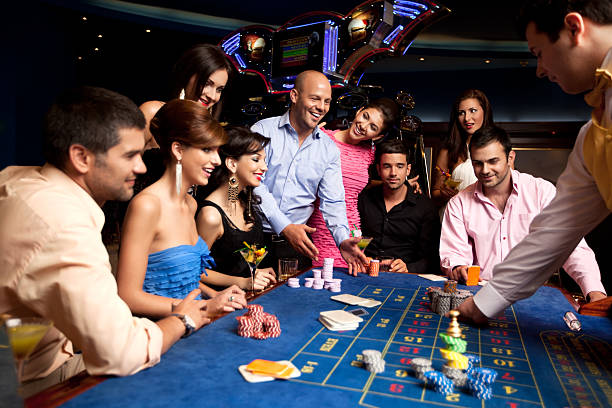
The social environment of casinos adds another layer of complexity to the psychology of gambling. Many individuals enjoy the communal aspects of gaming, whether it’s cheering for a fellow player at the blackjack table or engaging in friendly competition during poker games. This social interaction can significantly enhance the enjoyment of gambling, creating a sense of belonging that many players crave.
Furthermore, the dynamics of competition can spur individuals to gamble more, as they seek to prove themselves to others or maintain social status within their peer group. The mix of camaraderie and rivalry creates a compelling atmosphere that keeps players engaged and can contribute to increased gambling activity, potentially leading to both positive and negative outcomes.
Final Thoughts: Responsible Gambling in the Modern Age
Understanding the psychology behind casino gambling success is essential for both players and operators in promoting responsible gaming practices. Awareness of the emotional, cognitive, and social factors influencing gambling behavior can help individuals make informed decisions and recognize when to seek help. Casinos also have a responsibility to foster a safe and supportive gaming environment, implementing measures to promote awareness and education about responsible gambling.
As the gambling landscape continues to evolve, fostering a culture of responsibility will be pivotal in sustaining the industry’s integrity while ensuring that players can enjoy gambling in a healthy and balanced way. The intersection of psychology and gambling principles can serve as a foundation for both personal responsibility and industry regulations, ultimately enhancing the overall experience for everyone involved.